
Best time to repair or replace a roof in Portugal
A roofer we work with told us they avoid starting major planned roof work from around November. Here is why, what it means for your project, and what to do if your roof is already leaking.
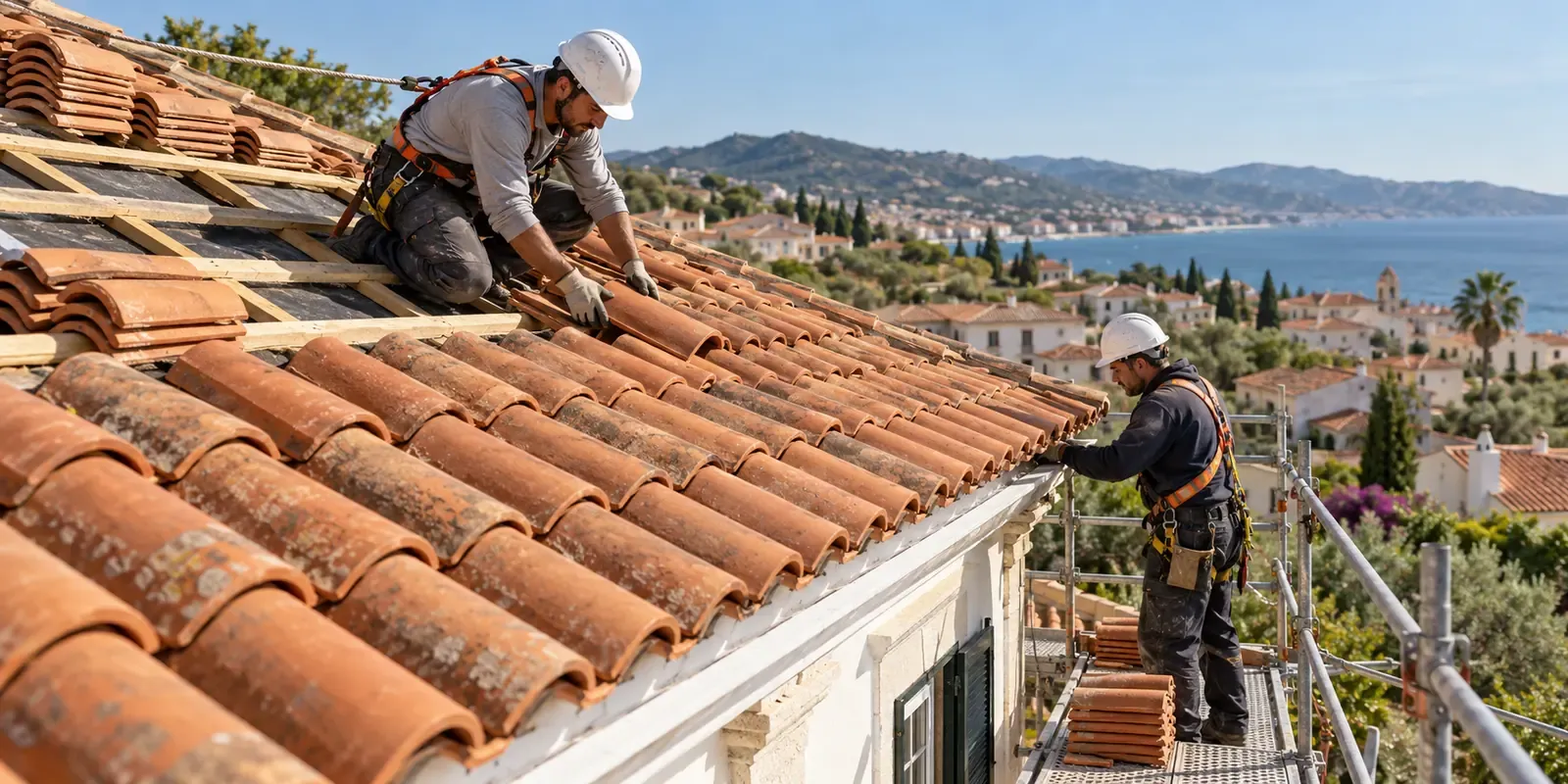
Schedule planned major roof work for the drier months, inspect before the wet season, and never leave active leaks until spring.
In this guide
- Timing
- What the roofer told us
- Why the time of year matters
- Is November a bad time?
- So when is the best time?
- Problems
- Don't wait for winter to find out
- Emergency repair vs planned replacement
- Buying? Check the roof first
- Planning
- Seasonality and your programme
- A simple example
- Questions to ask your roofer
- The cheapest quote isn't the best plan
- Local knowledge matters
- Frequently asked questions
What the roofer told us
Experienced Portuguese roofers often avoid starting major planned roof work from around November because the weather becomes less predictable.
We were recently discussing a roofing project with a contractor in Portugal when they made a simple point.
"From around November, I'd rather not take on major planned roofing work. The weather gets too unpredictable."
A roofing contractor we work with, paraphrasedThat doesn't mean roof work stops across Portugal in November. It doesn't mean a leaking roof should wait until spring. And the climate varies a lot between Porto, Lisbon, Cascais, the Algarve and inland.
But it highlights something owners, particularly those renovating from overseas, should understand: some renovation work in Portugal is seasonal, and roofing is one of the clearest examples.
Why does the time of year matter for roofing?
Roof work temporarily opens the building. Rain mid-job stops work, extends the programme and can let water in, and wind makes working at height unsafe.
Replacing or substantially repairing a roof can temporarily expose parts of your property to the elements. A typical sequence:
- Tiles removed
- Waterproofing exposed
- Timber or structure replaced
- Membranes installed
- Materials applied and left to set in suitable conditions
If several days of rain arrive halfway through, the contractor has a problem. More importantly, you potentially have a problem. Rain interrupts the work, extends the programme and raises the risk of water getting into areas the roof normally protects.
Portugal's ANEPC (Autoridade Nacional de Emergência e Proteção Civil) advises avoiding work at height in adverse weather, and that roof surfaces should be dry and conditions suitable before repairs are carried out.
So when a reputable roofer says "I'd rather schedule this for the dry season", it isn't necessarily because they don't want the job. They may not want to expose your property, or their workers, to unnecessary risk.
Is November a bad time to replace a roof in Portugal?
No rule stops roof work in November, but weather risk rises. IPMA classified November 2025 as very wet, at 180% of average rainfall.
There isn't a national rule saying roofing should stop in November. But it marks a period when weather risk becomes much more relevant. Portugal generally has dry summers, with rain more common in the cooler part of the year, and individual years vary a lot.
General planning pattern for major roof work, mainland Portugal
Qualitative guide only. Timing varies by region, altitude and coast, and by year. Ask a local roofer about your property.
Classified by IPMA as very wet: 180% of the 1991–2020 average for the month.
Not every November looks like that. It shows why a contractor planning several weeks of exposed roof work may be cautious about starting then.
So when is the best time for roof work in Portugal?
Plan major roof work for the generally drier months, and ask for the lowest-risk weather window for your specific roof and location.
For planned major roofing work, the generally drier months give a more predictable window. That includes:
The exact timing depends heavily on location. A roof in Porto doesn't have the same weather as one in the Algarve. Cascais has different exposure from an inland property, and a coastal house faces wind and salt that an inland one doesn't.
What month should I replace my roof?
What is the lowest-risk weather window for this roof, in this location?
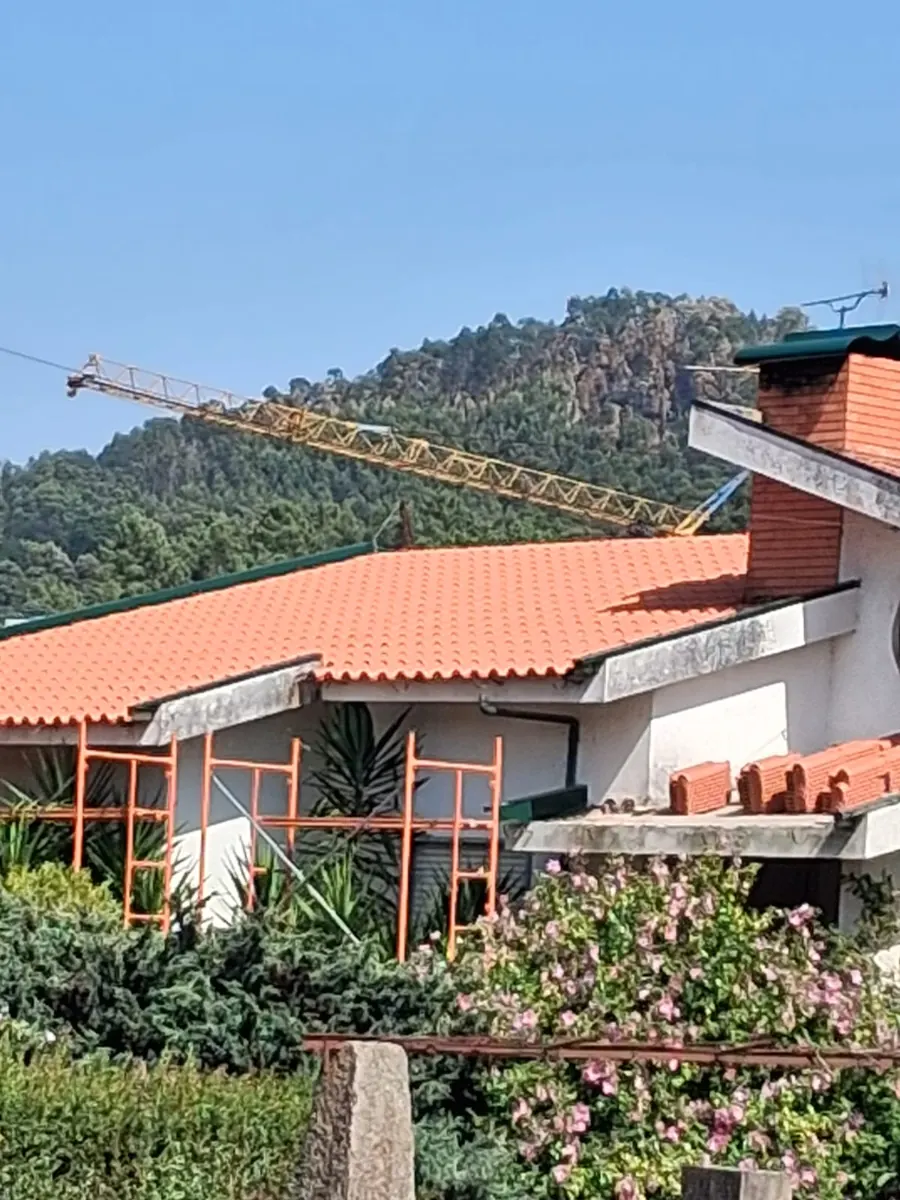
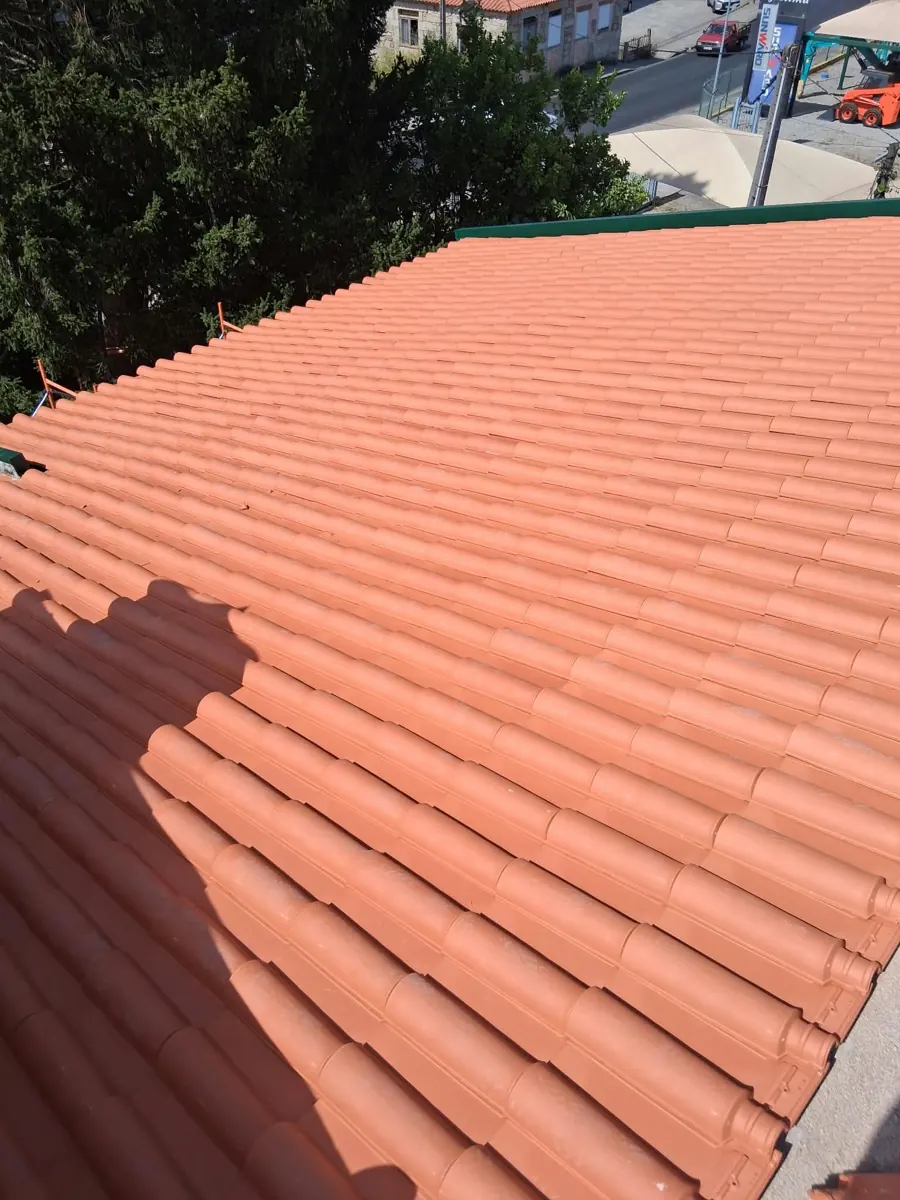
Don't wait for winter to discover you have a roofing problem
Roof faults often stay hidden through dry months and appear with the first sustained rain. Inspect and maintain before the wet season.
There is an irony here. Winter is when roof problems usually show themselves. A failed waterproofing detail can go unnoticed through months of dry weather. Then sustained rain arrives and you find:
At that point you can't simply wait for summer. That is why inspection and preventative maintenance before the wetter period are worth doing.
Emergency repair is different from planned replacement
Planned replacement can wait for good weather. Active water ingress can't: control it now, protect the property, diagnose, then plan the permanent repair.
My roof needs replacing at some point.
Schedule it for a predictable weather window and plan the rest of the renovation around it.
Water is coming into my house.
Waiting months can cause far more damage. A roofer may put temporary or targeted protection in place until conditions suit the permanent repair.
When water is getting in, the order of priorities is:
- Stop or control the water
- Protect the property
- Diagnose the failure
- Plan the permanent repair
The right solution depends on the roof and the problem.
Buying a property in Portugal? Check the roof before you renovate
A property viewed in dry weather can hide a leaking roof. Check the building envelope before spending on interior finishes.
Imagine buying a villa in May. The weather is beautiful and the interior looks dry. You plan a new kitchen, bathrooms, flooring and paint. Then November arrives, and the first prolonged rain shows the roof leaks.
You now have a roofing project you didn't budget for, possibly after spending heavily on the interior underneath it. That is why the order of renovation matters. Before spending on finishes, understand the building envelope:
- Roof
- Exterior walls
- Windows and doors
- Terraces
- Drainage
- Gutters
- Waterproofing
Fixing beautiful interior finishes under a building that isn't watertight can become very expensive.
Planning a renovation? Think about seasonality first
Many external jobs are weather-sensitive. Schedule them for favourable months and keep internal work for less predictable ones.
Roofing isn't the only work affected by weather. Depending on the project, seasonality can affect:
That doesn't mean these jobs can't be done in winter. It means weather risk should be considered when the programme is set. On a major renovation, you may want weather-sensitive external work done in a favourable period and internal work in the less predictable months.
A simple example: a villa renovation starting in September
Rather than starting everything at once, make the building watertight first while conditions allow, then move into the interior.
The project includes a new roof, new kitchen, three bathrooms, an electrical upgrade, plumbing, flooring, and interior and exterior painting. You could start everything at once, or sequence it around risk.
Make it watertight
While conditions are favourable- New roof
- Exterior painting
- Critical exterior work
Move inside
Progressively, under a sound roof- Electrical upgrade
- Plumbing
- Kitchen
- Three bathrooms
- Flooring
- Interior painting
The exact programme depends on the property and contractor. The principle matters more:
Don't treat every job as equally suited to every time of year.
Ask your contractor these 10 questions
Ask about timing, dry days needed, exposure, rain and wind contingencies, temporary protection, delays and who pays if water gets in.
- What time of year would you recommend doing this work?
- How many consecutive dry days do you need?
- How long will the property be exposed?
- What happens if it rains halfway through the work?
- How will exposed areas be temporarily protected?
- Is temporary weatherproofing included in the quote?
- Could high winds stop the work?
- What happens to the schedule if weather delays the project?
- Who is responsible if water enters the property while the roof is open?
- Should we complete the roofing before starting the interior renovation?
These are much better to ask before the roof is removed than afterwards. Questions 6, 8 and 9 belong in the contract; our guide to what a Portuguese renovation contract should include shows how.
The cheapest quote isn't always the best plan
A roofer who suggests waiting for better weather may be thinking harder about risk. Judge contractors on their approach, not just price and start date.
Imagine two roofing contractors.
Contractor B may look less convenient. They may also be thinking more carefully about risk. When choosing, don't only ask "how much?" and "how quickly can you start?" Also ask:
"How would you approach this project, and why?"
The quality of that answer tells you a lot about the professional in front of you.
Local knowledge matters
Experienced local professionals know the weather, materials, suppliers and hidden problems that never appear in a quote, and when to say "not yet".
Experienced local professionals understand things a renovation quote won't tell you. They know:
When the weather commonly causes problems
Which materials work well locally
Which suppliers are reliable
Which jobs tend to uncover more problems
And they know when it's better to tell a customer:
"Don't do this yet."
That advice can be as valuable as the work itself. Our guide to builders, contractors and project managers in Portugal covers who to bring in, and when.
Frequently asked questions
QWhen is the best time to replace a roof in Portugal?
For planned major roofing work, the generally drier months give a more predictable weather window. The right window depends on location, so ask a local roofer for the lowest-risk period for your property.
QCan a roof be replaced in November in Portugal?
There is no rule against it, but from around November weather risk becomes more relevant and many contractors prefer not to start major planned roofing work. November 2025 was classified by IPMA as very wet.
QShould I wait until summer to fix a leaking roof?
No. Active water ingress should be controlled straight away. A roofer can put temporary or targeted protection in place and plan the permanent repair for suitable conditions.
QWhy does rain matter during roof work?
Roof work can leave tiles off, waterproofing exposed and timber open. Rain mid-job can stop work, extend the programme and let water into the property. Wind can also make working at height unsafe.
QShould the roof be done before the interior renovation?
Generally the building should be made watertight first, so roof and critical exterior work come before expensive interior finishes.
QWhich other renovation work in Portugal is weather-sensitive?
Exterior painting, rendering, waterproofing, terraces, landscaping, concrete and masonry, façade repairs, external insulation, pool construction, and excavation and drainage.
QWhat are the signs of a roof problem?
Ceiling stains, damp around a chimney, water around windows, discoloured walls, attic moisture, missing or damaged tiles, blocked gutters, failed flashing and leaks around roof penetrations.
QWho is responsible if water gets in while the roof is open?
Agree it with the contractor before work starts, along with temporary weatherproofing and what happens to the schedule if weather causes delays, and put it in the contract.

Kellogg is a former payments executive turned entrepreneur, with a family background in real estate. He has spent the past year bringing that experience to the Portuguese property market, and co-founded remodel.pt to apply the same rigor to how contractors are vetted.
This article provides general information about roofing and renovation projects in Portugal. Appropriate timing, construction methods and safety requirements depend on the property, location, weather conditions and nature of the work. Obtain advice from an appropriately qualified professional before undertaking roofing work.
Rainfall figures: IPMA, Boletim Climatológico Mensal, Portugal Continental, Novembro de 2025.
Last updated 7 October 2026